from 0 review
9 Nights / 10 Days
Daily Tour
1 person
English, Hindi
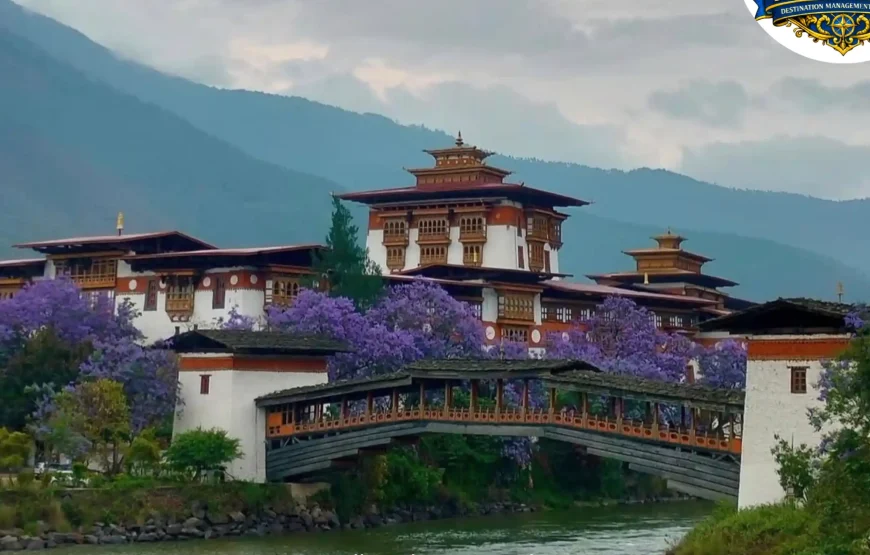
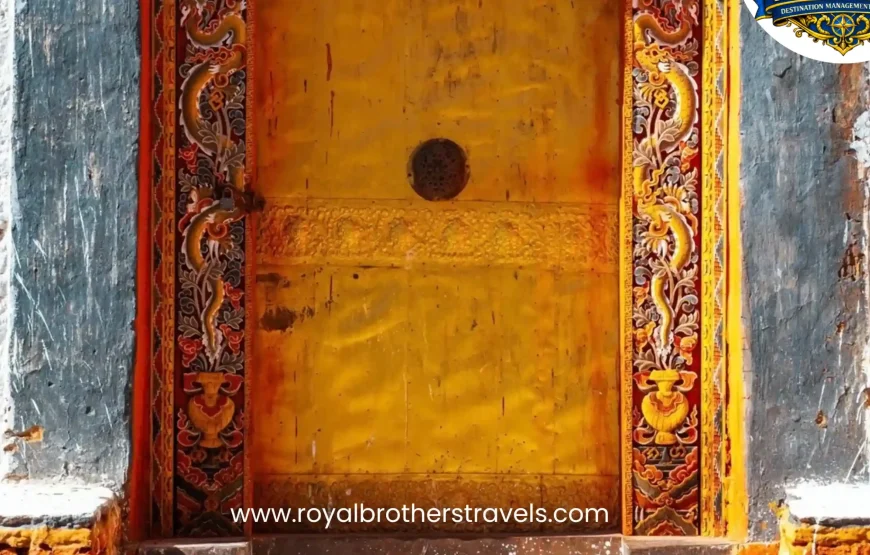
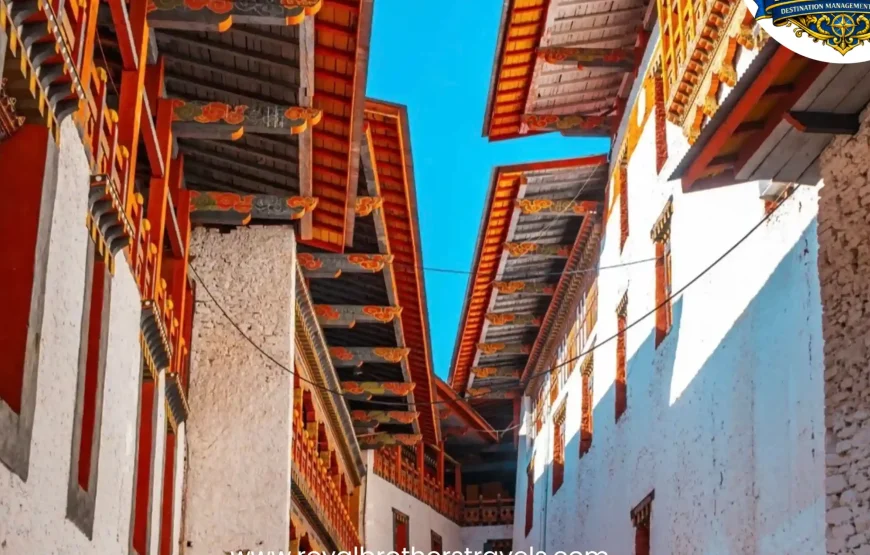
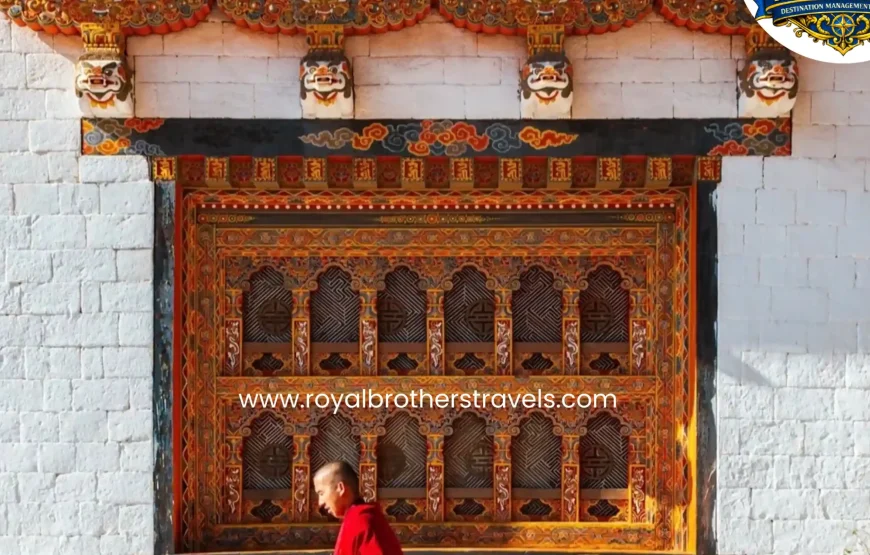
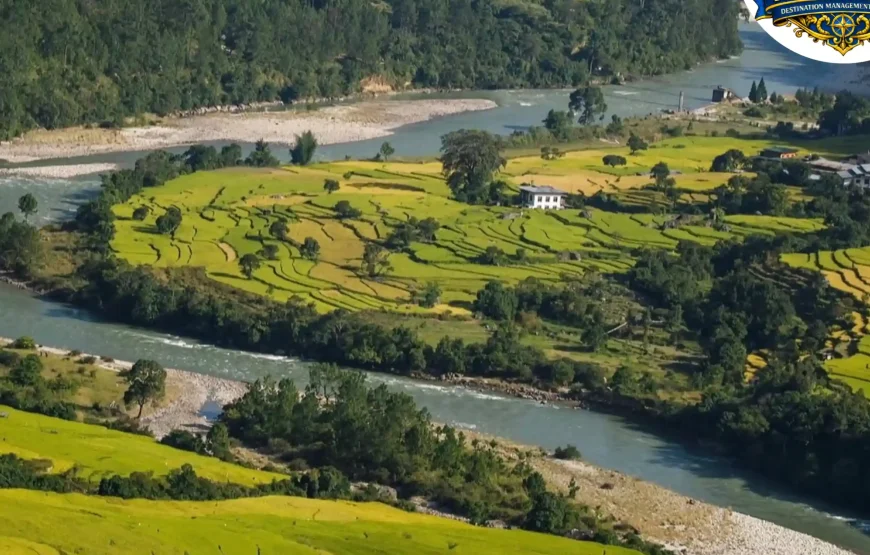
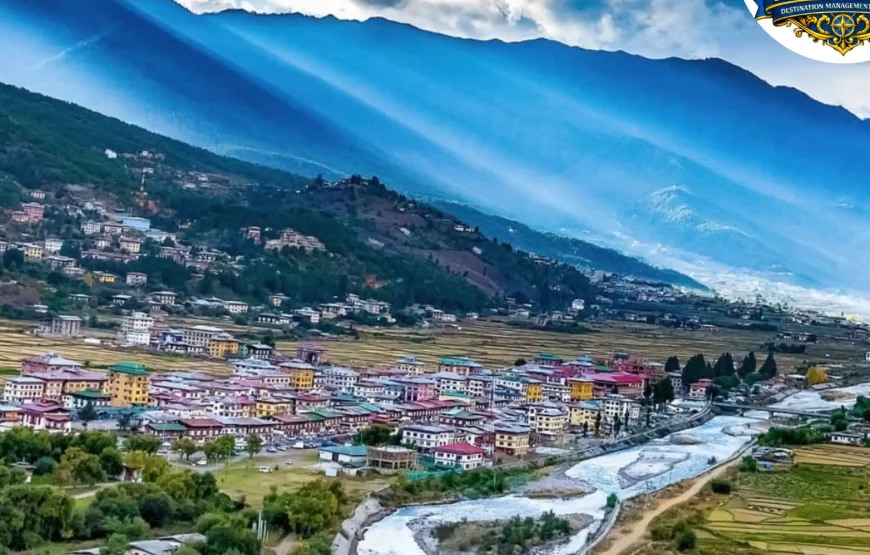
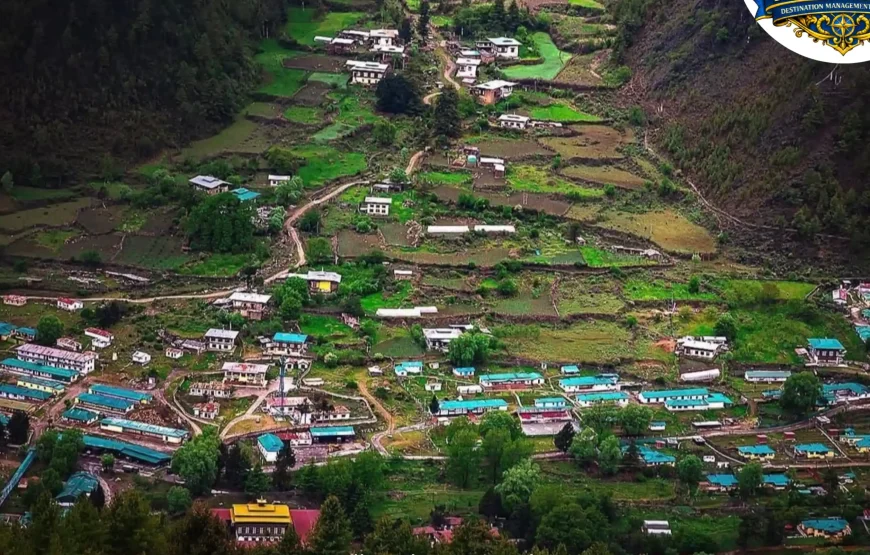
Bhutan, the last great Himalayan kingdom, is a land where mountains are revered, monasteries are alive with prayer, and happiness is measured not in possessions but in peace. This journey unfolds gently across Bhutan’s most sacred valleys and cultural heartlands, guiding you from lush river basins to cloud-draped mountain passes and into the spiritual core where Bhutanese Buddhism was born.
From the moment you enter the serene Paro Valley, the pace of life begins to slow. As the journey flows through Thimphu, Punakha, and Bumthang, you witness a civilization where tradition and modern life coexist in perfect harmony, where ancient dzongs guard rivers, monks chant at dawn, and villages continue rhythms unchanged for centuries. Scenic drives become meditative experiences, cultural encounters feel personal, and every stop offers insight into why Bhutan remains one of the most protected and peaceful nations on Earth.
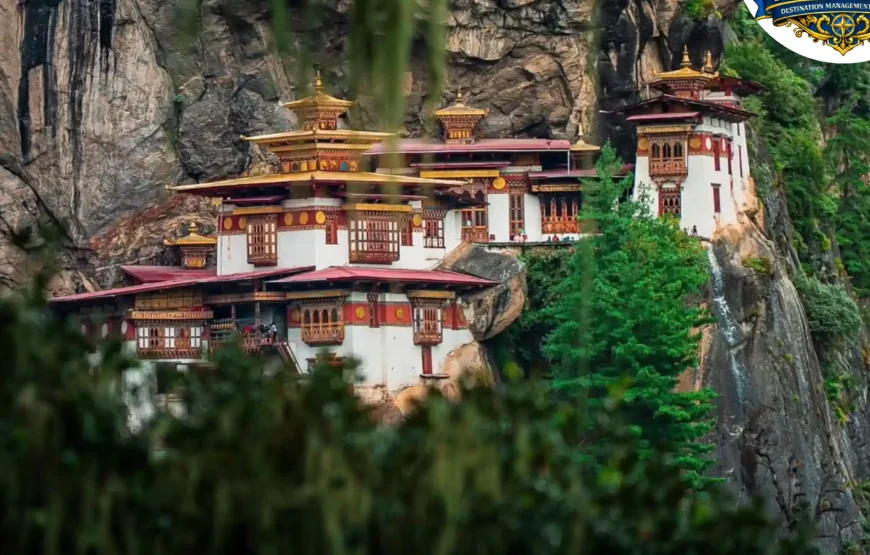
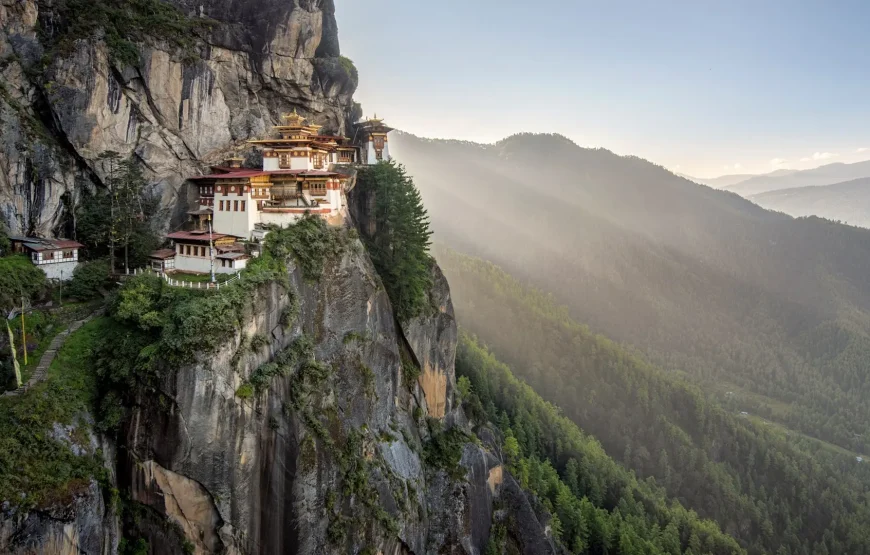
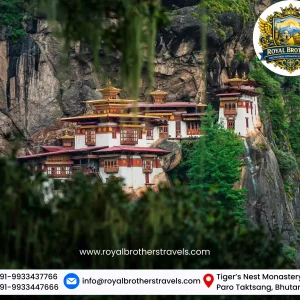
The experience culminates with the sacred pilgrimage to Tiger’s Nest Monastery, perched dramatically on a cliff high above the Paro Valley. This final ascent is more than a hike, it is a moment of reflection, gratitude, and spiritual awakening, symbolizing the very essence of Bhutan itself.
Carefully paced and expertly designed, this tour balances culture, spirituality, nature, and comfort, ensuring travelers never feel rushed or overwhelmed. It is ideal for those who seek not just to see Bhutan, but to understand it, feel it, and carry it home within themselves.
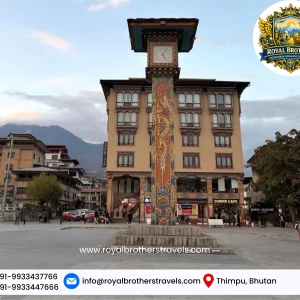 Distance: ~55 km
Drive Time: ~1.5 hours
Altitude: Paro (2,280 m) → Thimphu (2,334 m)
Memorial Chorten: Daily prayer hub for locals
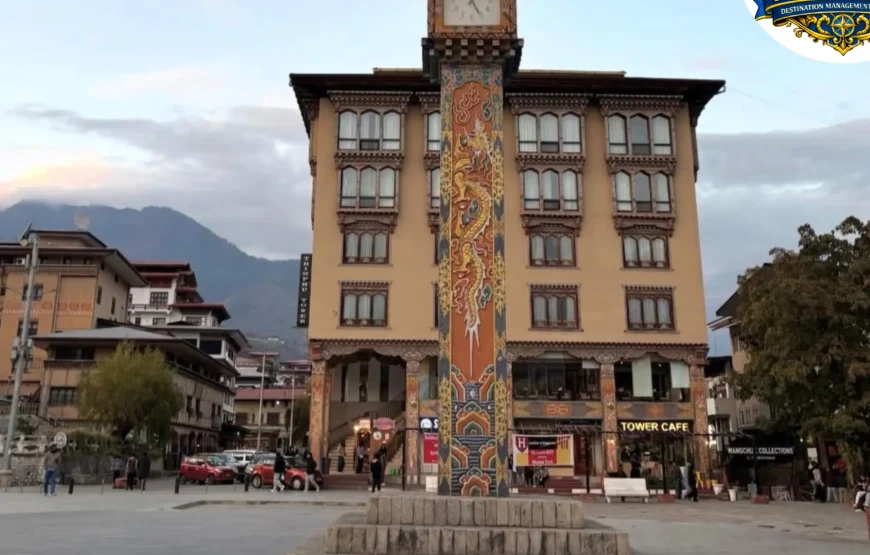
Thimphu Town Walk: Introduction to Bhutanese urban life, attire, and etiquette
Tashichho Dzong (Exterior): Seat of government and monastic body
Overnight: Thimphu
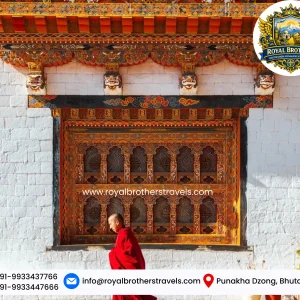 Sightseeing Time: 6–7 hours
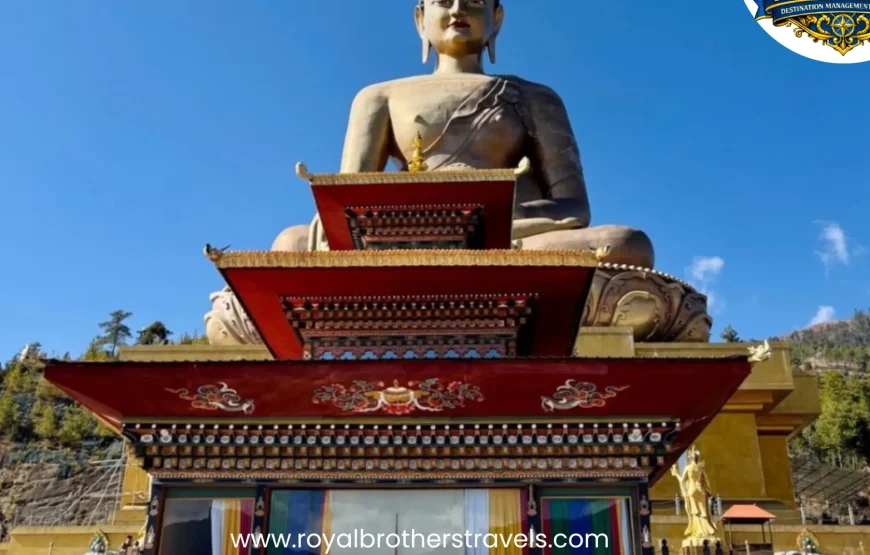
Buddha Dordenma Statue
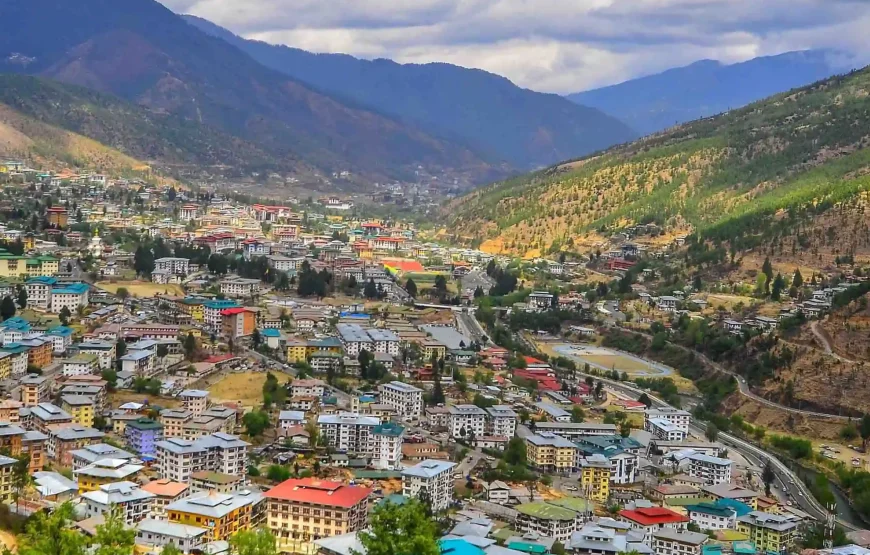
Standing at 51 meters, this is one of the world’s largest Buddha statues. Inside are over 125,000 smaller Buddhas, symbolizing peace and prosperity. The viewpoint offers panoramic vistas of Thimphu Valley.
Folk Heritage Museum
A preserved traditional farmhouse that explains rural Bhutanese life, wooden kitchens, farming tools, grain storage, and livestock sheds, offering context to Bhutan’s agrarian roots.
Institute for Zorig Chusum
Dedicated to preserving Bhutan’s 13 traditional arts and crafts, including thangka painting, wood carving, and embroidery. Visitors observe students practicing skills passed down for centuries.
Changangkha Lhakhang
A 12th-century monastery perched above Thimphu, associated with blessings for newborns and families. It also offers serene city views.
Handicraft Bazaar
A government-regulated market ensuring authenticity, where each souvenir has cultural and symbolic meaning.
Overnight: Thimphu
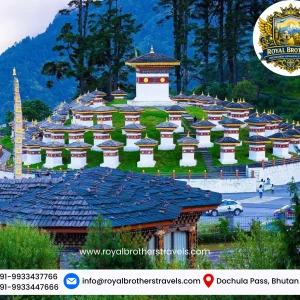 Distance: ~75 km | Drive Time: 3–4 hours
Highest Point: 3,100 m
The journey climbs through dense pine and rhododendron forests toward Dochula Pass, a gateway between western and central Bhutan.
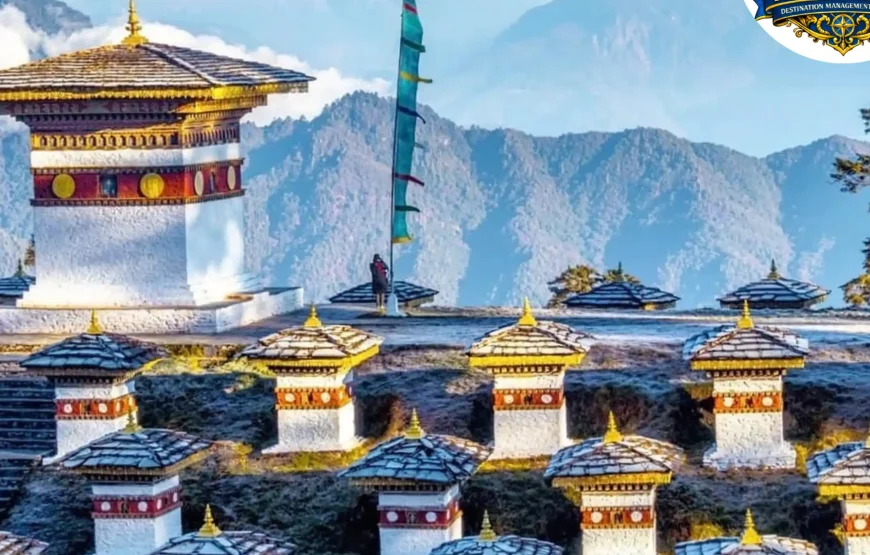
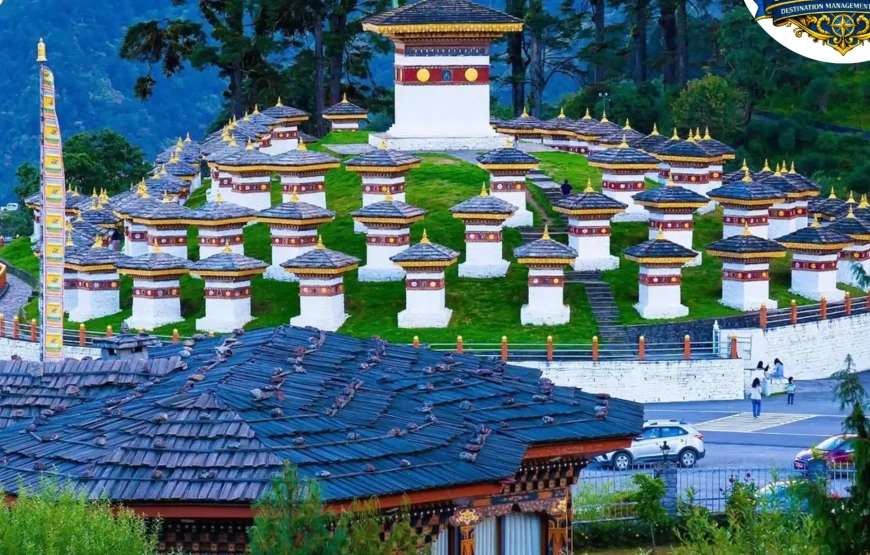
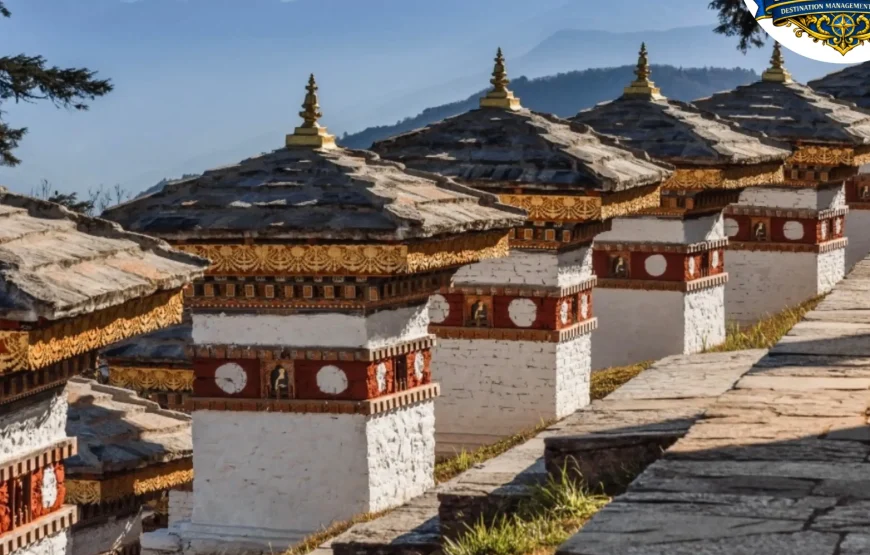
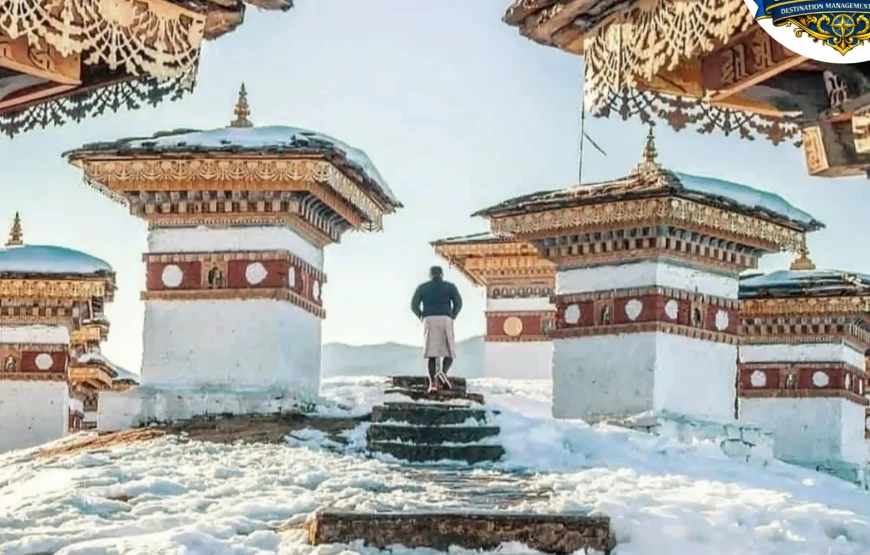
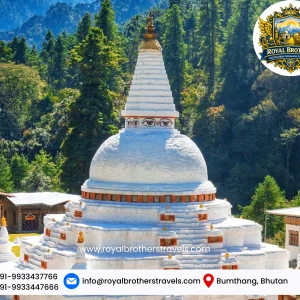
Dochula Pass & 108 Druk Wangyal Chortens
Built to commemorate peace and honor Bhutanese soldiers, these chortens appear to float above the clouds. On clear days, sweeping Himalayan peaks unfold dramatically.
Climate Transition
Descending from the pass, notice the landscape change from alpine forests to subtropical valleys, a defining geographical shift.
Overnight: Punakha
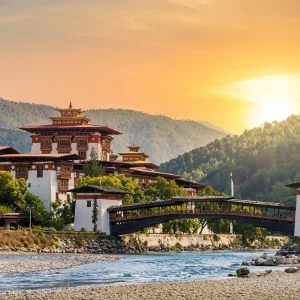 Sightseeing Time: 5–6 hours
Altitude: ~1,200 m
Punakha Dzong
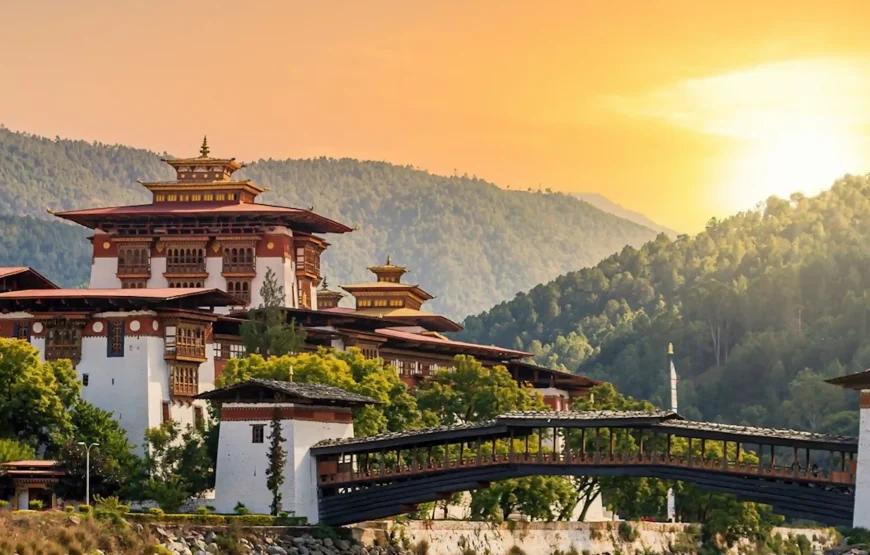
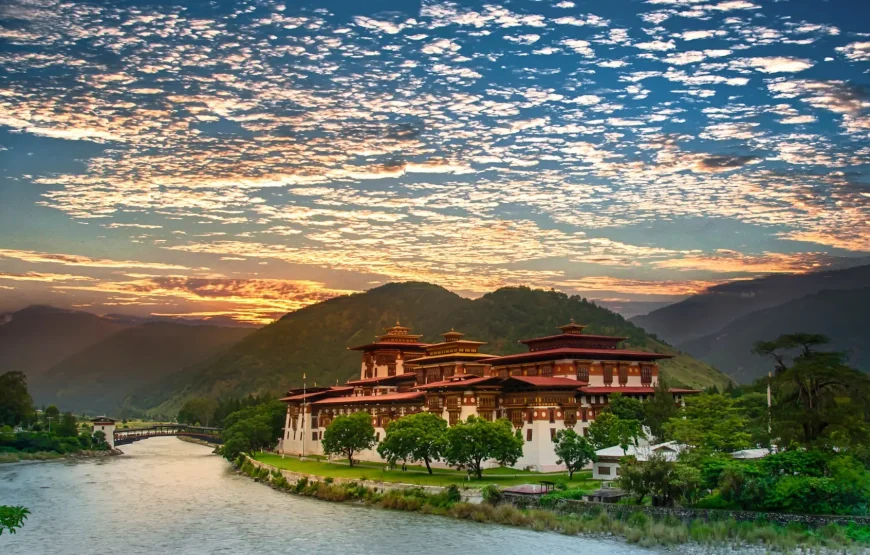
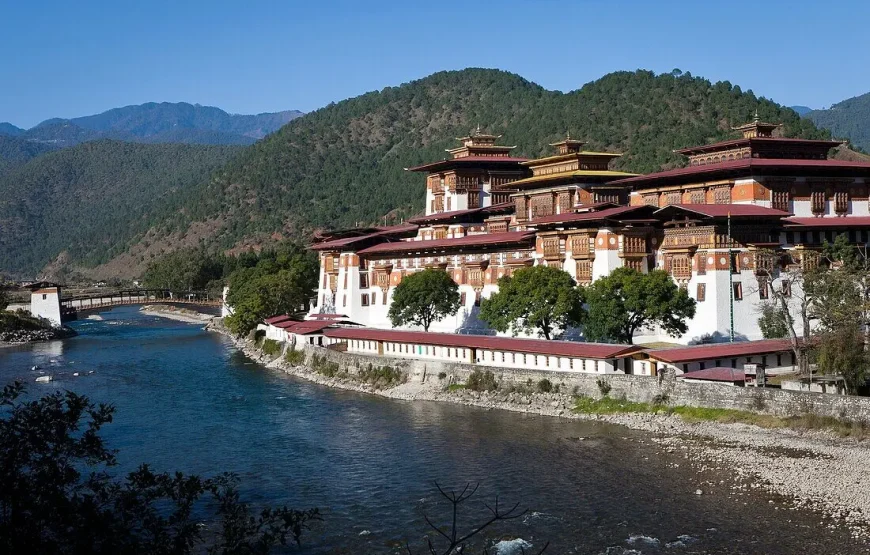
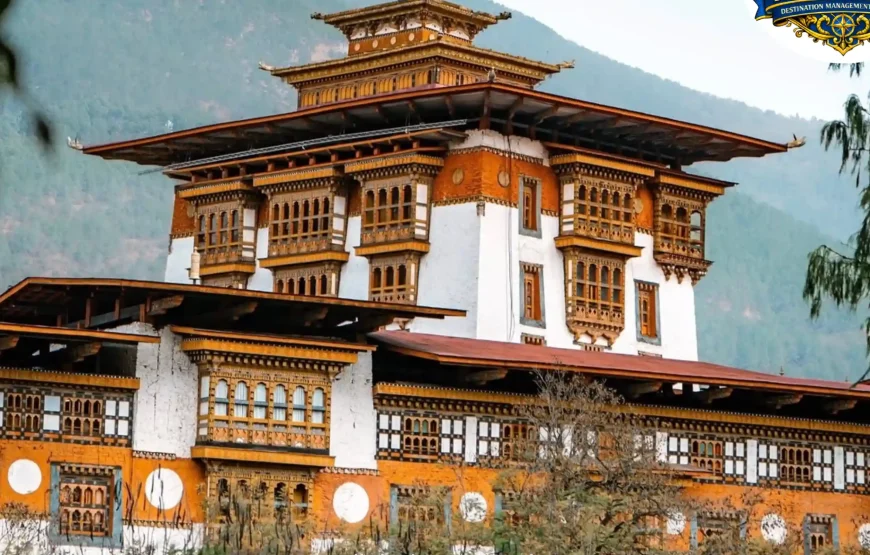
Built in 1637 at the confluence of the Pho Chhu (male) and Mo Chhu (female) rivers, this is Bhutan’s most beautiful dzong. It houses sacred relics and hosts royal coronations and major festivals.
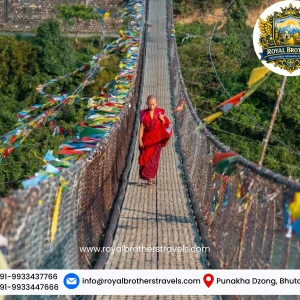
Punakha Suspension Bridge
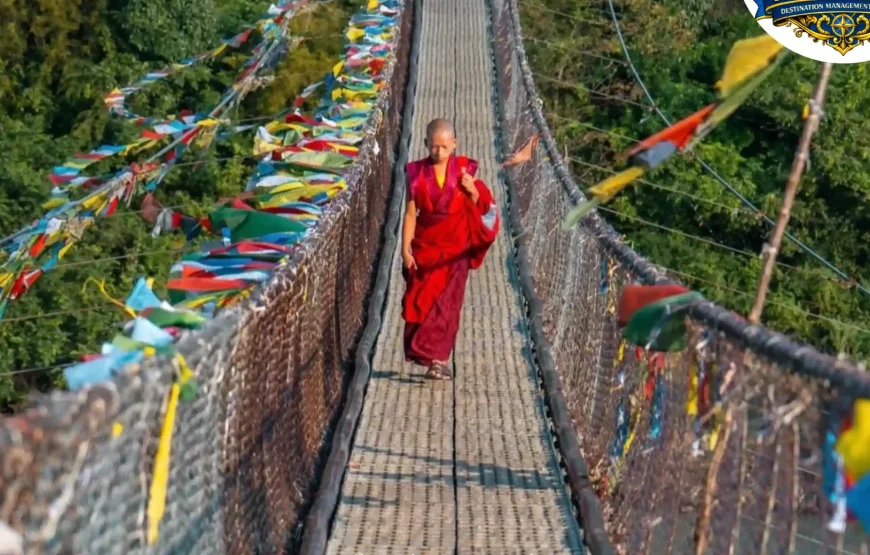
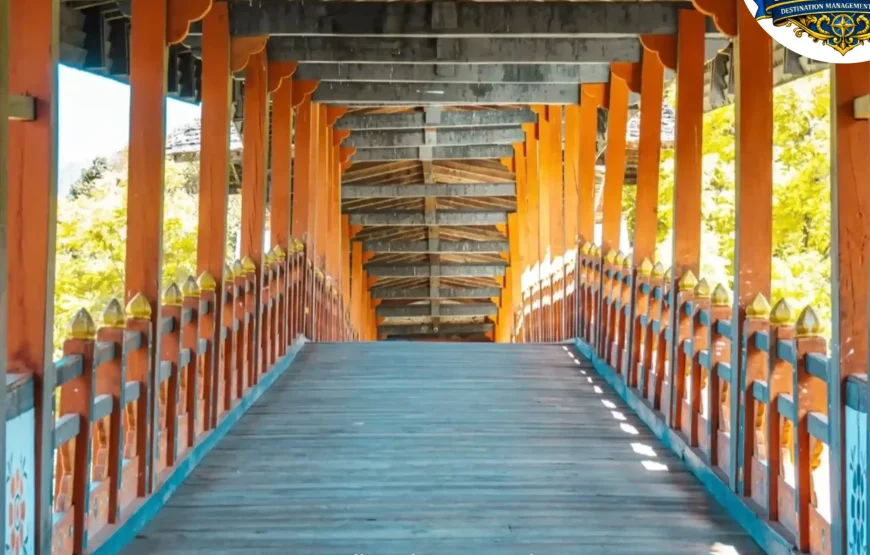
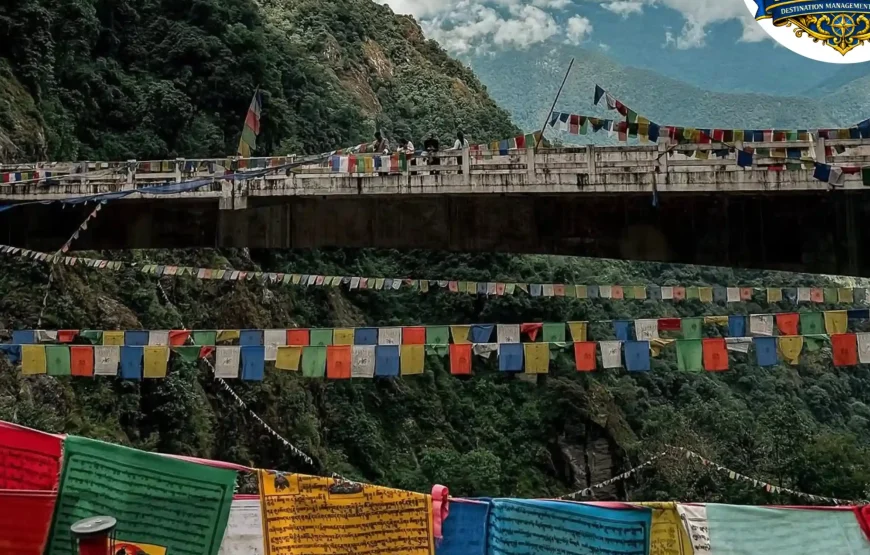
One of Bhutan’s longest bridges, still used daily by monks and villagers. Prayer flags flutter overhead, creating a deeply atmospheric crossing.
Chimi Lhakhang
Known as the Temple of Fertility, founded by the legendary “Divine Madman.” The walk through rice fields adds cultural charm and folklore.
Overnight: Punakha
 Distance: ~190 km | Drive Time: 6–7 hours
Trongsa Dzong Viewpoint
The largest dzong in Bhutan and ancestral home of the royal family, strategically perched to control east-west travel routes.
Rural Bhutan
Pass through remote villages, yak pastures, and untouched forest corridors—revealing Bhutan beyond tourism hubs.
Overnight: Bumthang
 Sightseeing Time: 6–7 hours
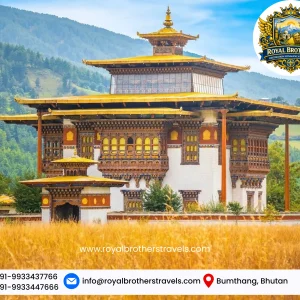
Jakar Dzong
Known as the “Castle of the White Bird,” it dominates the Chokhor Valley and serves as the region’s administrative and monastic center.
Kurjey Lhakhang
One of Bhutan’s most sacred sites, where Guru Rinpoche meditated. A body imprint of the saint is preserved here.
Tamshing Monastery
Founded in 1501, known for ancient murals and strict monastic traditions.
Swiss Farm
Introduced cheese and apple cultivation to Bhutan, offering cultural interaction and insight into local innovation.
Overnight: Bumthang
 Drive Time: 6–7 hours
High mountain passes draped with prayer flags
Dense forests and quiet villages
Scenic rest points for photography and refreshments
Arrival in Punakha by evening for rest and relaxation.
Overnight: Punakha
 Drive Time: 4–5 hours
Leisure exploration of Paro town
Optional Hot Stone Bath: Traditional Bhutanese therapy using river stones, ideal for relaxation
Briefing for Tiger’s Nest hike
Overnight: Paro
 Hiking Distance: ~6 km (round trip)
Hiking Time: 4–6 hours
Maximum Altitude: ~3,120 m
A gradual ascent through pine forests draped in prayer flags
Crisp mountain air and deep silence broken only by prayer wheels
Well-marked trail with rest points and scenic viewpoints
Cafeteria at the halfway point offering panoramic views of the monastery
Ponies available up to the midpoint (optional, payable directly)
Enter barefoot as a mark of respect
Photography restricted inside the sanctum
Time for quiet reflection, prayer, and absorption of the sacred energy
This experience is physically rewarding and emotionally profound often described as the most meaningful moment of a Bhutan visit.
After descending back to the base, guests return to the hotel for lunch and rest.
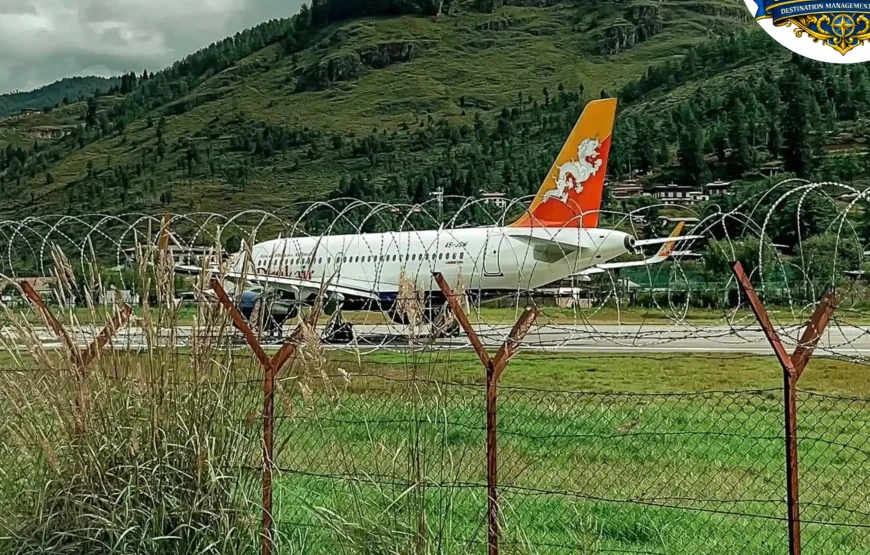
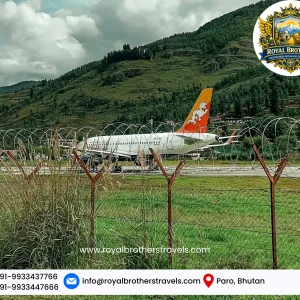 After breakfast, guests are transferred to Paro International Airport for departure.
Bhutan is the world’s only country guided by the philosophy of Gross National Happiness. Unlike mass-tourism destinations, Bhutan protects its culture, environment, and traditions by law. Travelers experience untouched Himalayan landscapes, living Buddhist traditions, and a way of life focused on balance, mindfulness, and well-being rather than materialism.
For first-time visitors, 9 Nights / 10 Days is the most balanced duration to experience Bhutan’s highlights without rushing. This allows proper coverage of Paro, Thimphu, Punakha, Dochula Pass, and Bumthang, with adequate time for acclimatization, cultural immersion, and scenic travel.
Yes. Bhutan is a safe, peaceful, and welcoming destination. Most sightseeing involves short walks and scenic drives.
The only physically demanding activity is the hike to Paro Taktsang, which is optional and can be replaced with leisure activities for those who prefer not to hike.
The Tiger’s Nest hike is moderately challenging:
Distance: ~6 km (round trip)
Duration: 4–6 hours
Elevation gain: ~700–900 meters
The trail is well-maintained, with rest points and a halfway cafeteria. Ponies are available up to the midpoint. Guests are encouraged to hike at a slow, comfortable pace.
An extra overnight stay in Paro after the hike is highly recommended for comfort-focused travelers.
Indian nationals do not require a visa, but an entry permit is mandatory.
The permit is arranged by us using valid government-issued ID (Passport or Voter ID). All permit assistance is included as part of the tour.
The best seasons are:
Spring (March–May): Rhododendron blooms, pleasant weather, cultural festivals
Autumn (September–November): Clear Himalayan views, ideal trekking weather
Winter is colder but scenic, while summer brings monsoon showers, especially in southern regions.
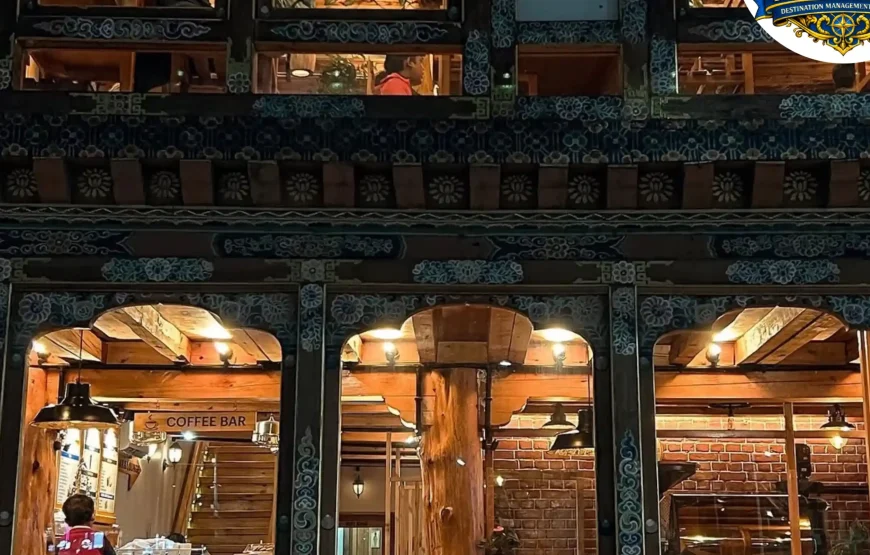
Accommodation includes carefully selected hotels and lodges that reflect Bhutanese architecture and hospitality standards.
Luxury and premium hotel upgrades are available on request.
Bhutanese cuisine is simple, fresh, and wholesome. Common dishes include:
Ema Datshi (chilli & cheese, Bhutan’s national dish)
Red rice, vegetables, momos, soups
Indian and continental meals are widely available in hotels and restaurants. Spice levels can be adjusted as per preference.
Yes. Bhutan requires travelers to be accompanied by a licensed local guide, ensuring cultural respect, safety, and meaningful interpretation.
All tours include professional, English-speaking guides.
Bhutan’s currency is the Ngultrum (BTN).
Indian Rupees are widely accepted. ATMs are available in major towns.
The itinerary is carefully paced and not rushed.
However, minor adjustments can be made based on weather, road conditions, or guest preferences, ensuring comfort and safety at all times.
Absolutely. The itinerary can be customized.
Nagaland



Leave a review