from 0 review
No Cancellation
1 people
English, Hindi, Nepali

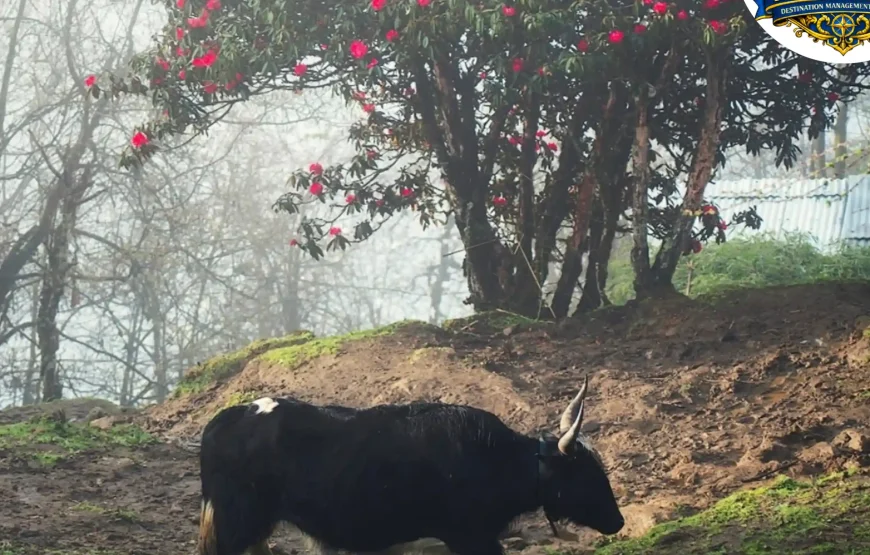
The Ultimate Kanchenjunga View Expedition
If there is one trek in Sikkim that transforms a traveler into a mountaineer at heart, it is the Goechala Trek.
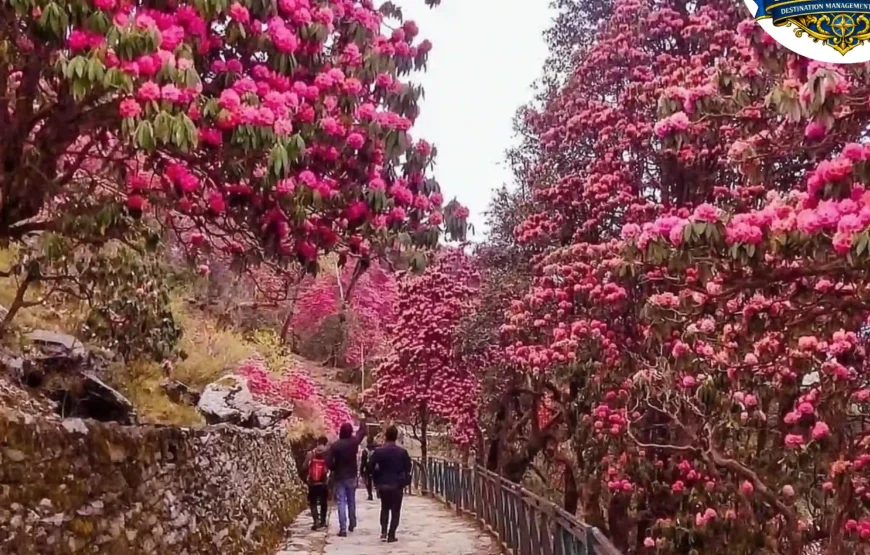
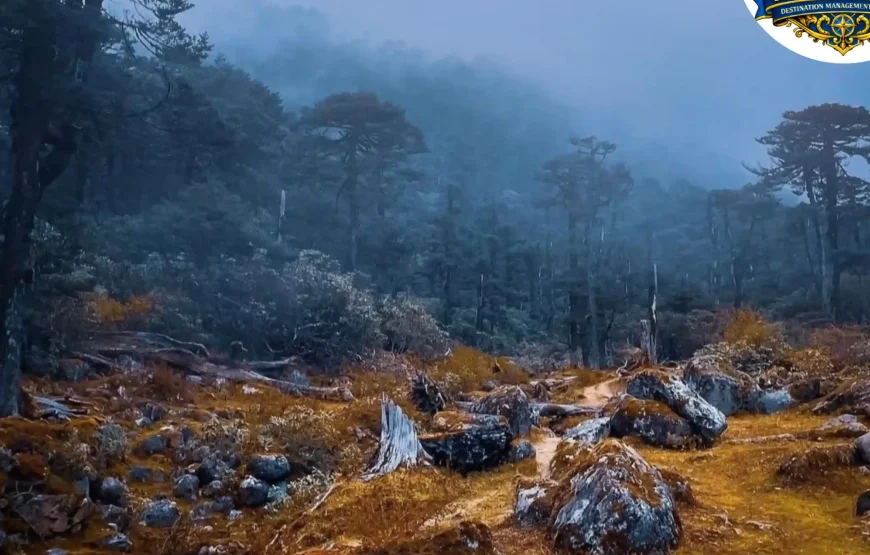
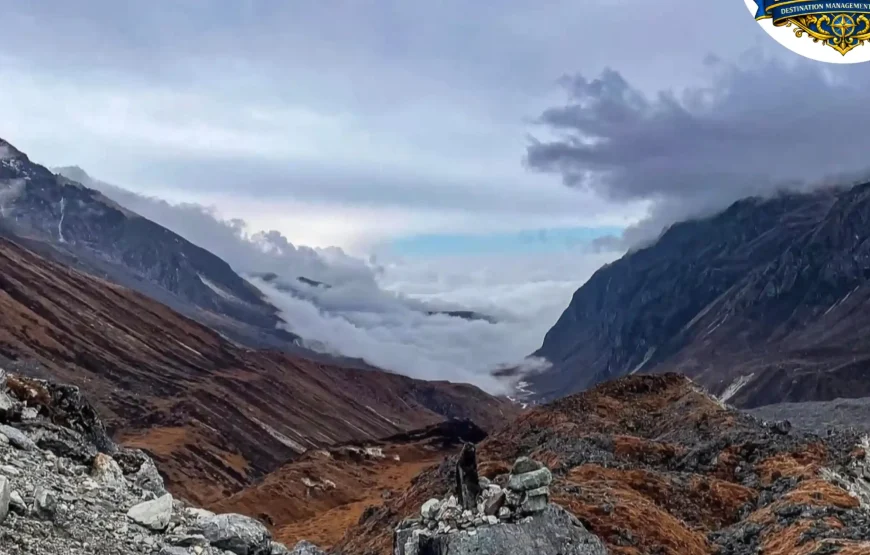
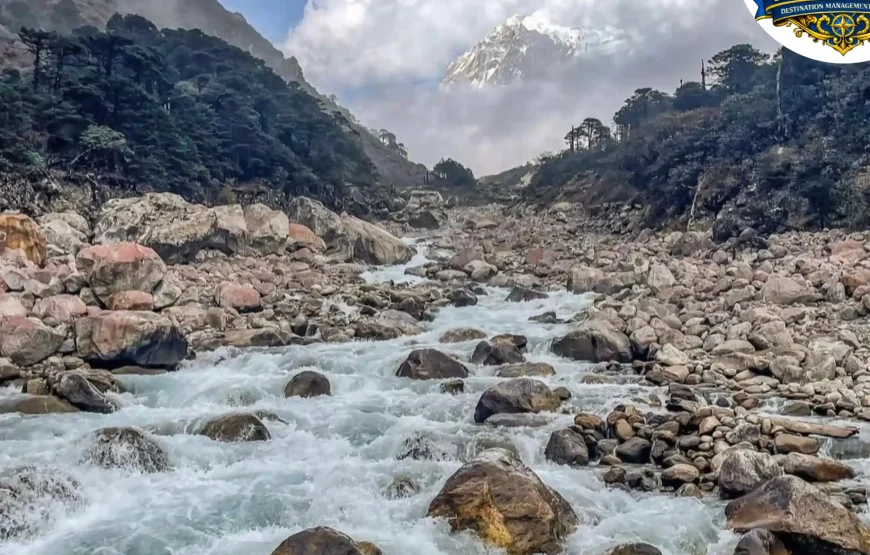
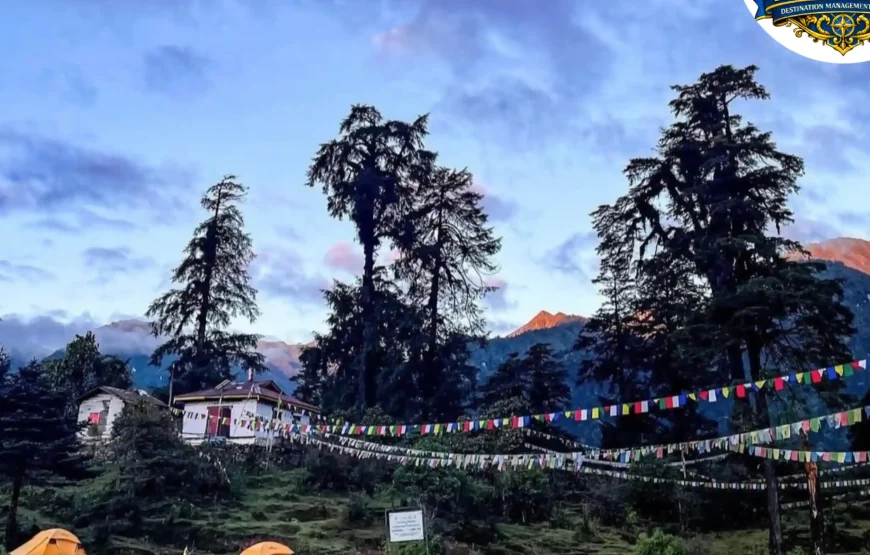
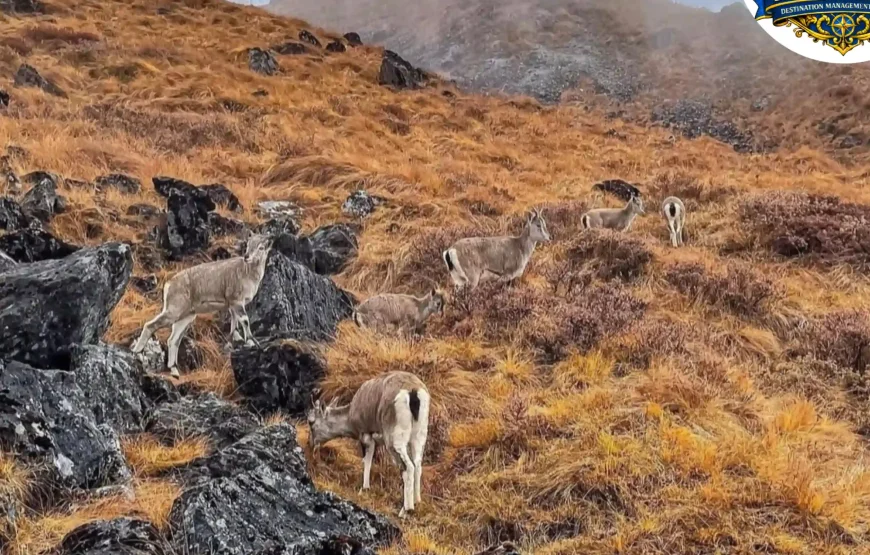
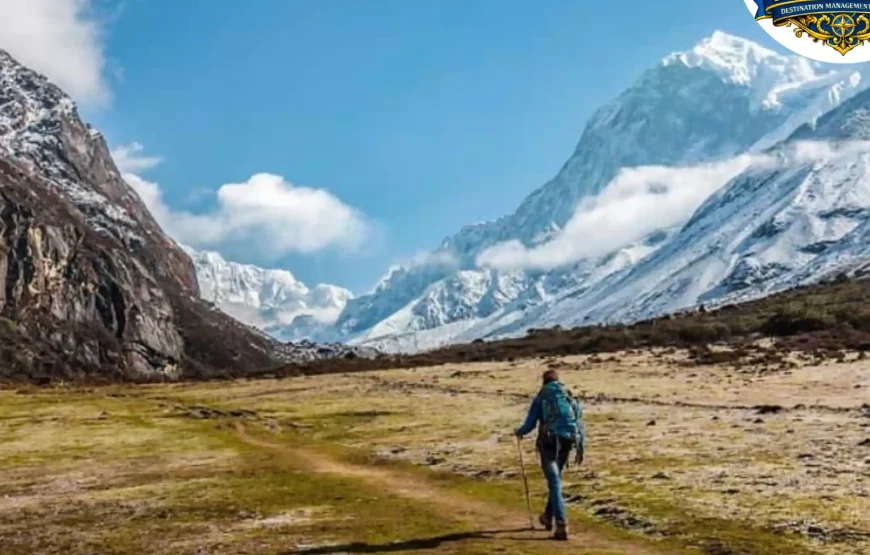
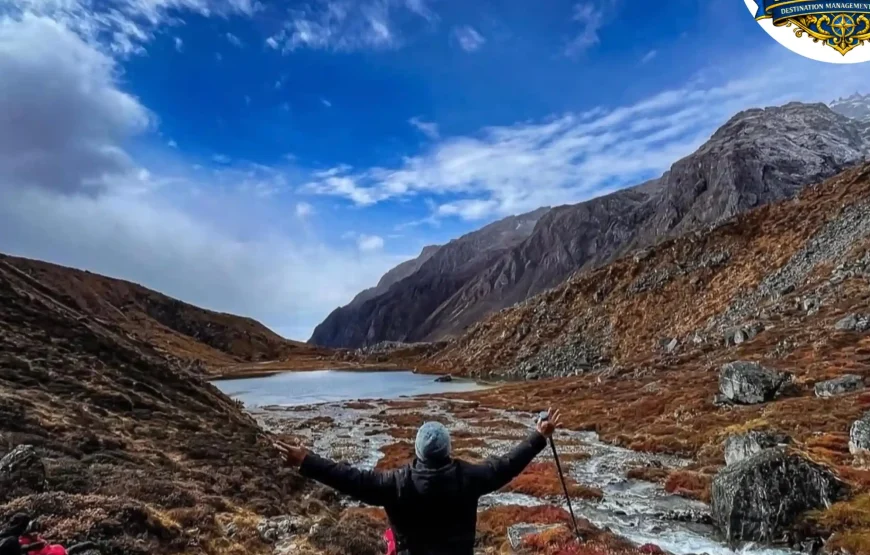
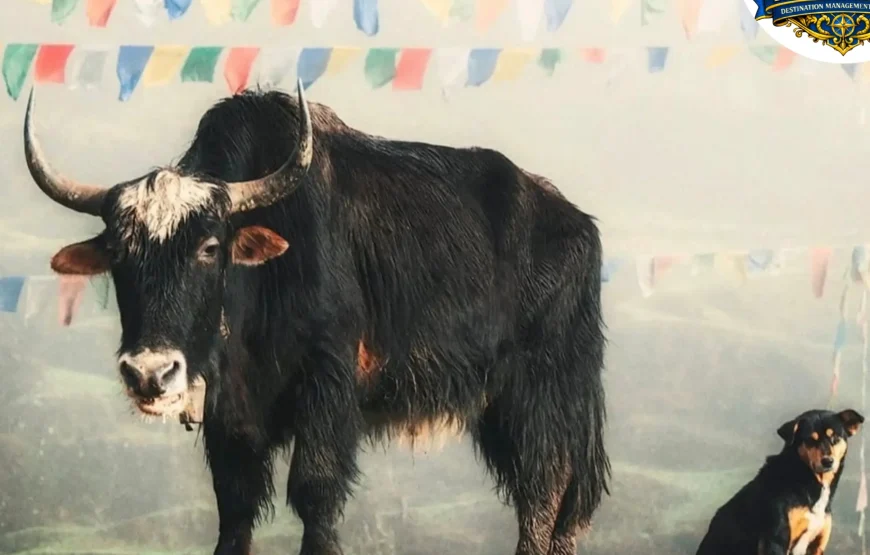
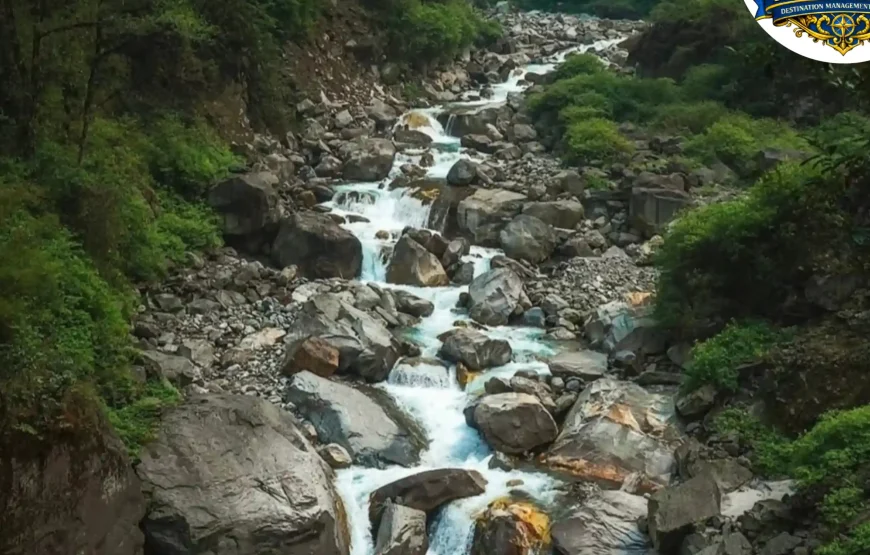
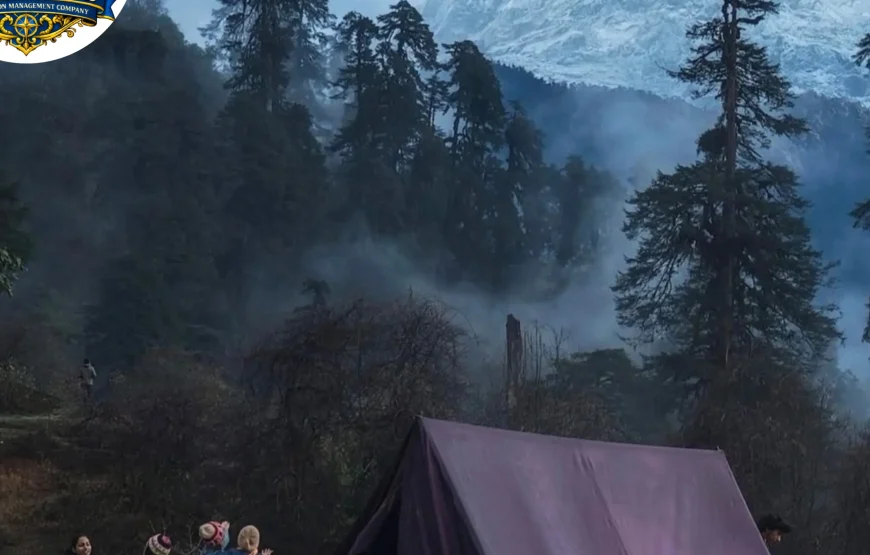
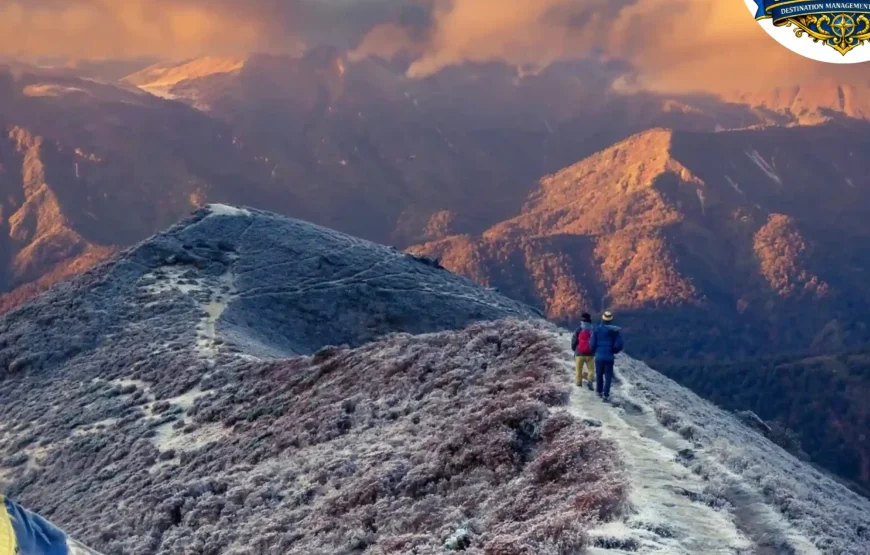
Beginning from the historic village of Yuksom, this iconic expedition leads deep into the protected wilderness of the Kanchenjunga National Park, gradually ascending from lush subtropical forests to high alpine valleys and glacial landscapes. Over several days, the terrain changes dramatically, wooden bridges cross roaring rivers, rhododendron forests give way to vast yak pastures, and eventually even vegetation disappears, leaving only rock, wind and sky.
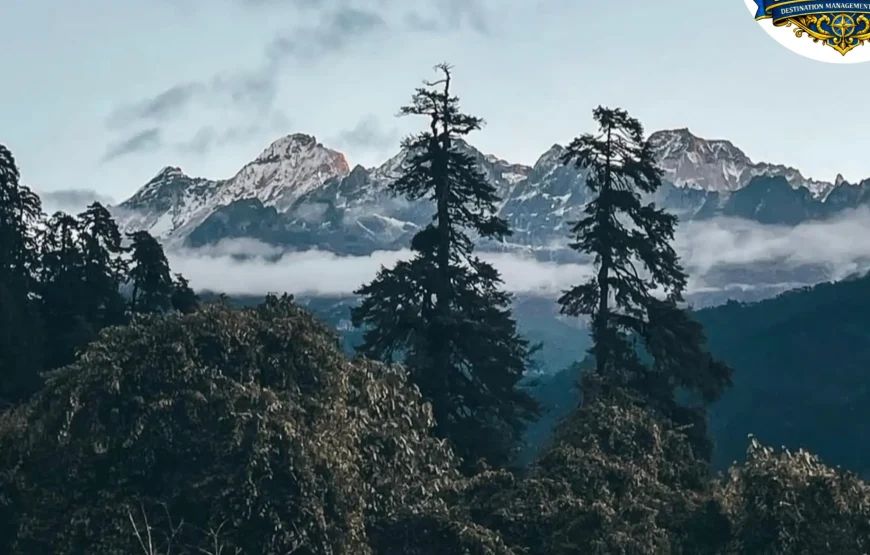
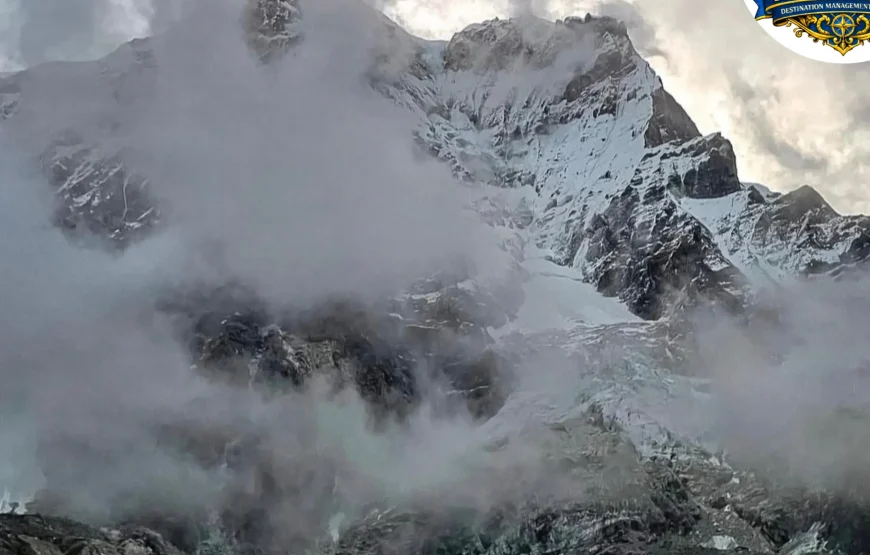
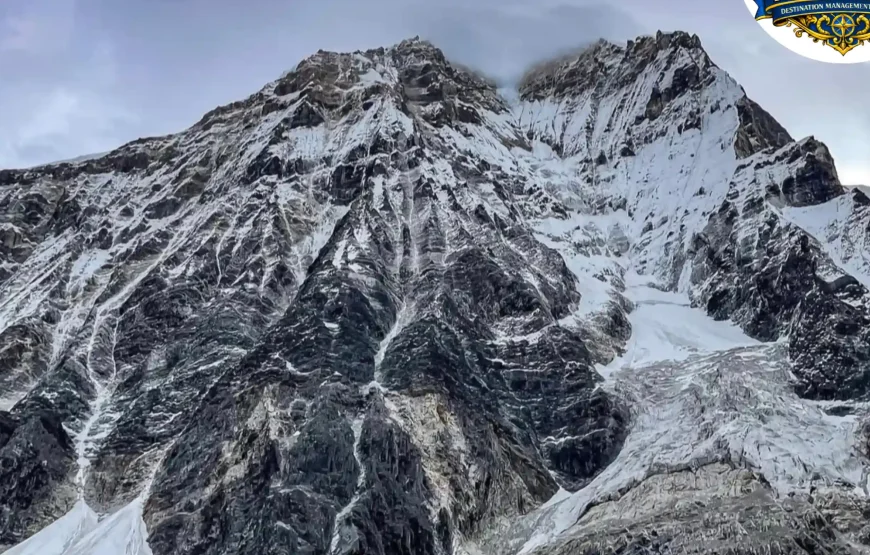
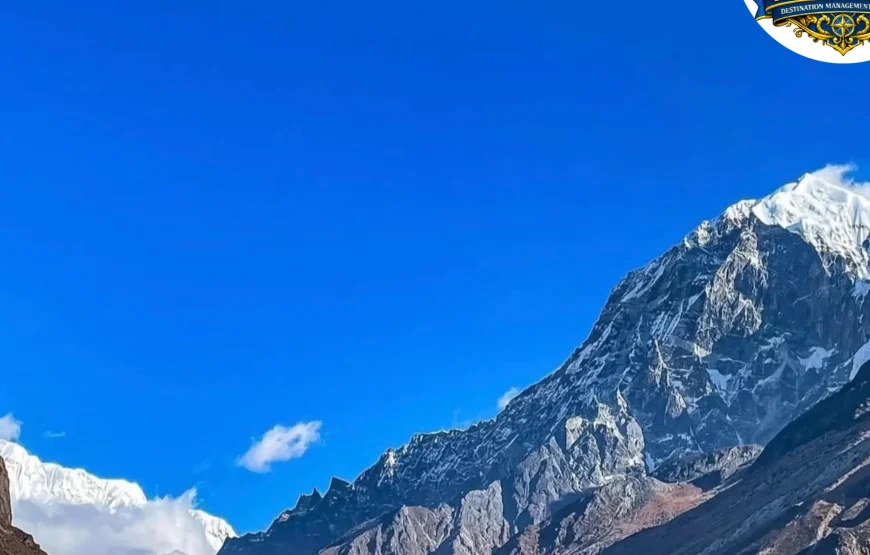
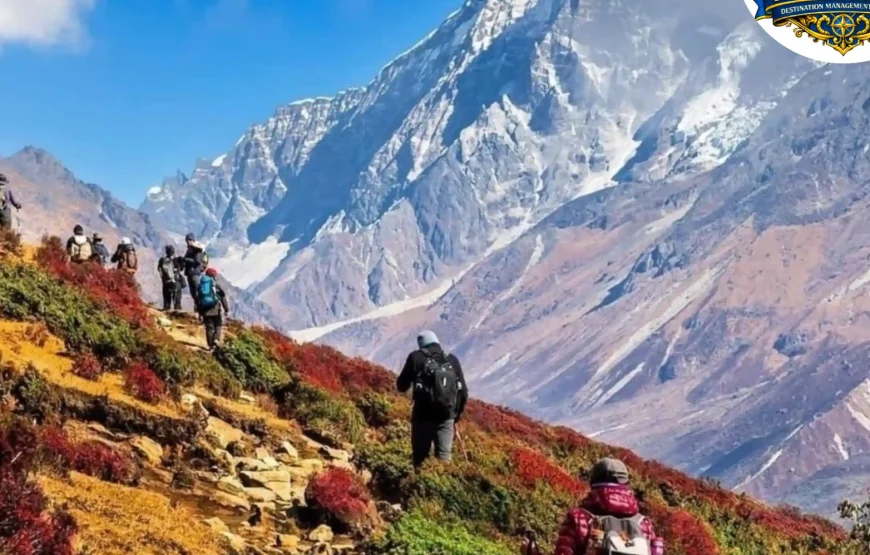
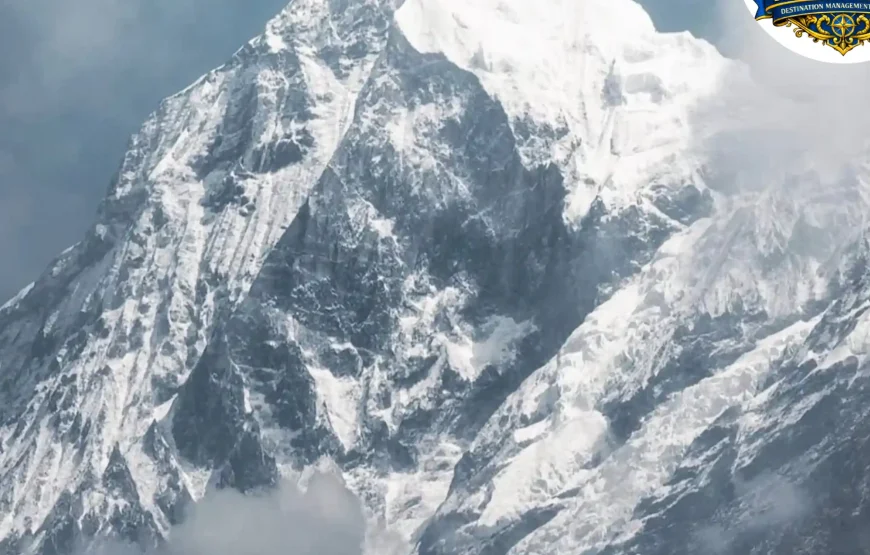
Each campsite feels more remote than the last. Nights are spent under brilliant starlit skies, far from any road or settlement. As you acclimatize and climb higher, the mountains slowly reveal themselves: Pandim, Kabru, Rathong and finally the great massif of Kanchenjunga dominating the horizon.
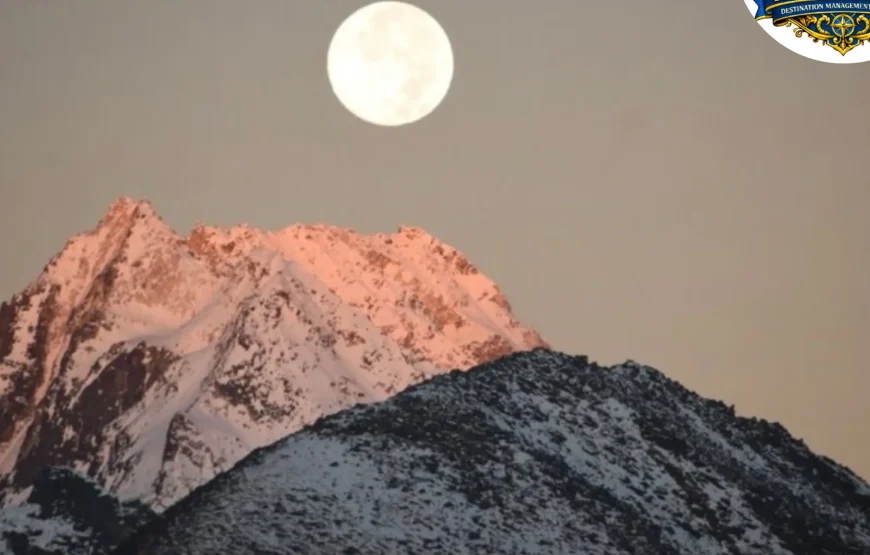
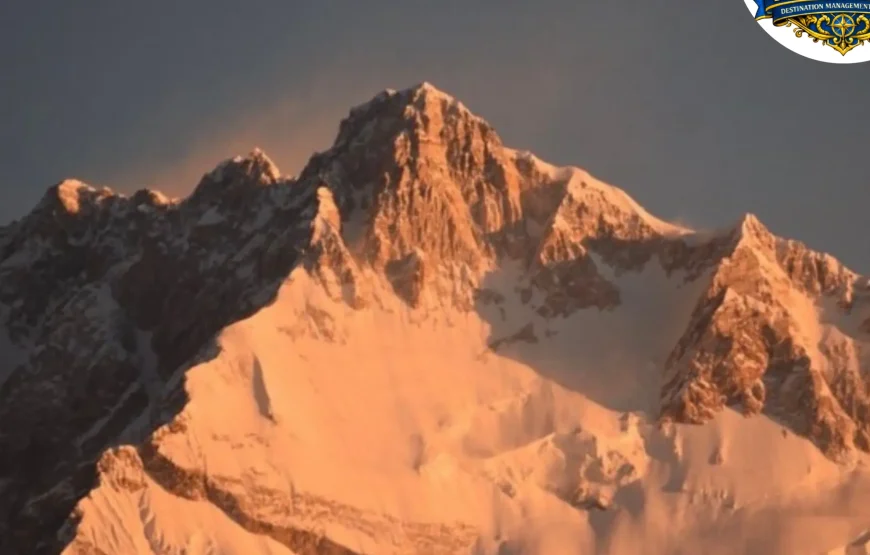
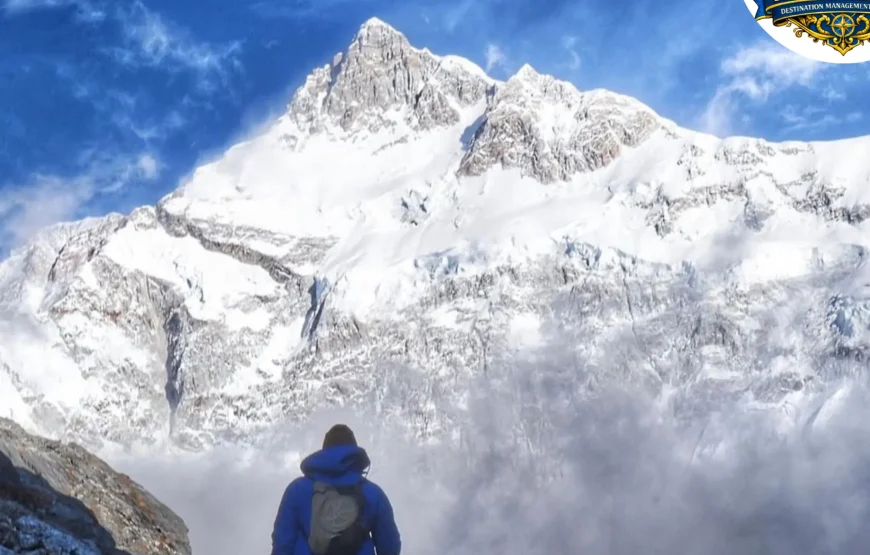
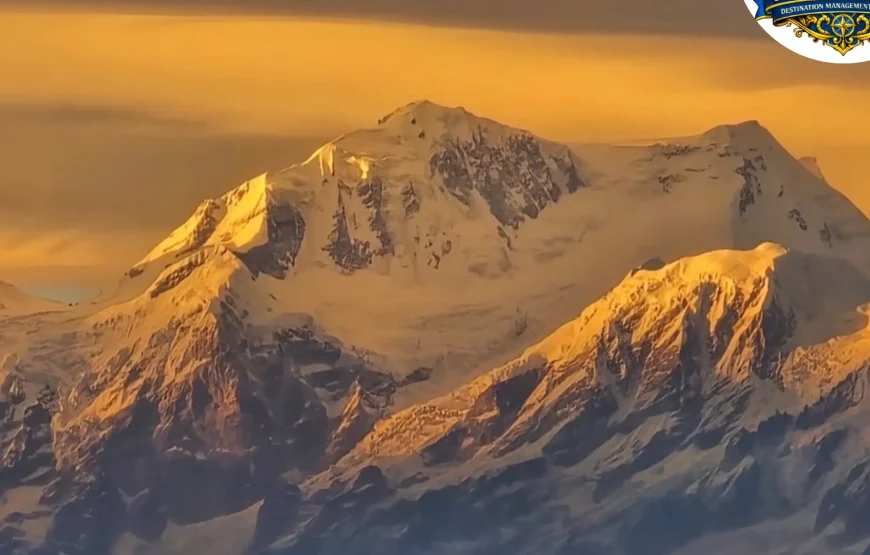
The defining moment arrives long before sunrise. Trekkers begin walking in darkness with headlamps, climbing steadily toward Goechala View Point (approx. 15,100 ft). Then, as dawn breaks, the first rays of sunlight illuminate Mt. Kanchenjunga, the third highest mountain in the world, turning its glaciers golden while clouds drift beneath your feet.
Few experiences in the Himalayas compare to standing face-to-face with such immense peaks without technical climbing. It is not merely a trek; it is a pilgrimage into the heart of the mountains.
For serious trekkers, photographers and international adventurers, the Goechala Trek is considered one of the most rewarding high-altitude journeys in India.
Starting Point: Yuksom (West Sikkim)
Maximum Altitude: ~15,100 ft
Duration: 8–10 Days
Difficulty Level: Moderate to Challenging
Best Season: April–May & October–November
Approx Cost: ₹32,000 – ₹50,000 per person
(Includes permits, guide, camping & meals)
April–May (flowers & moderate snow)
October–November (clear skies)
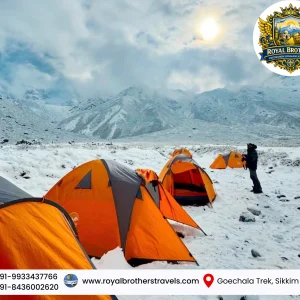 Arrive at the historic mountain village of Yuksom, once the first capital of Sikkim and the gateway to the Kanchenjunga National Park.
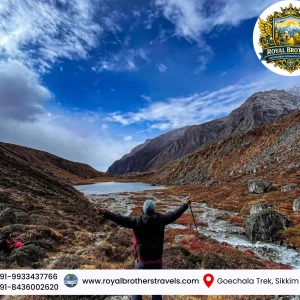 The trek begins gently as you leave the last motorable road behind and step into the Himalayan wilderness.
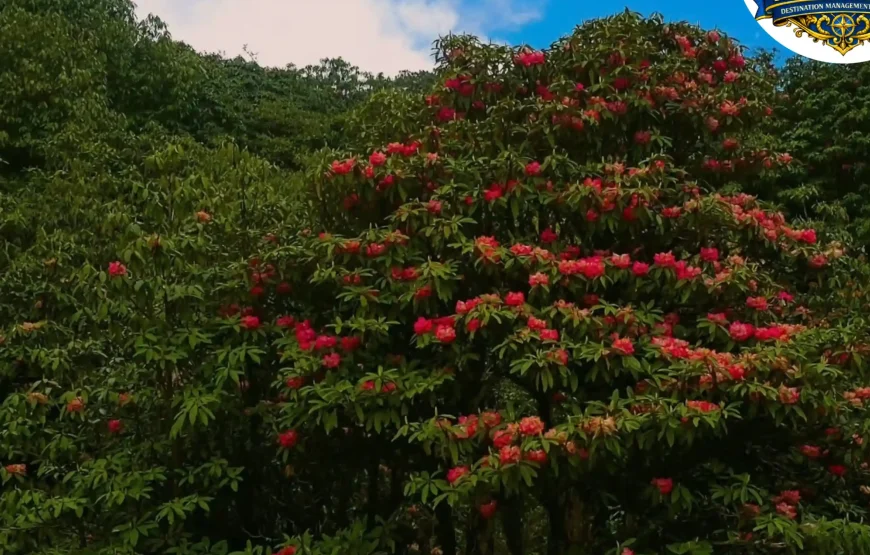
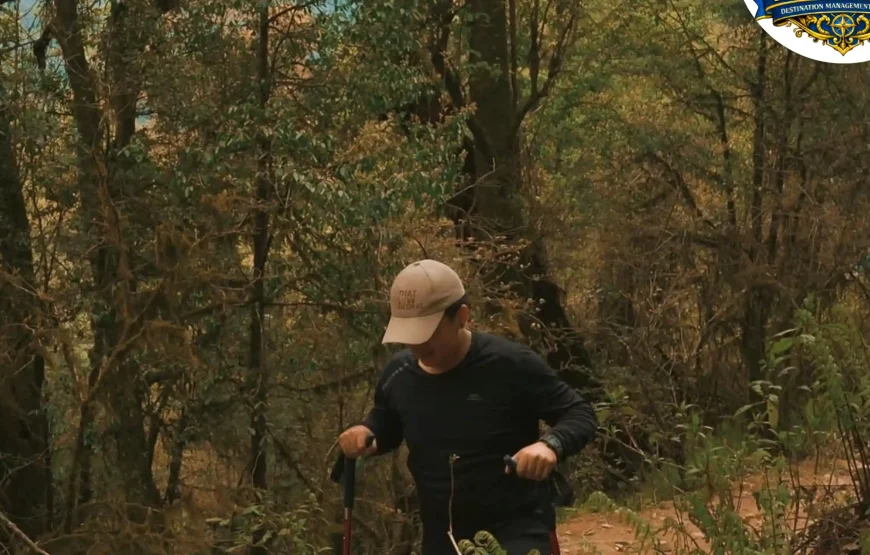
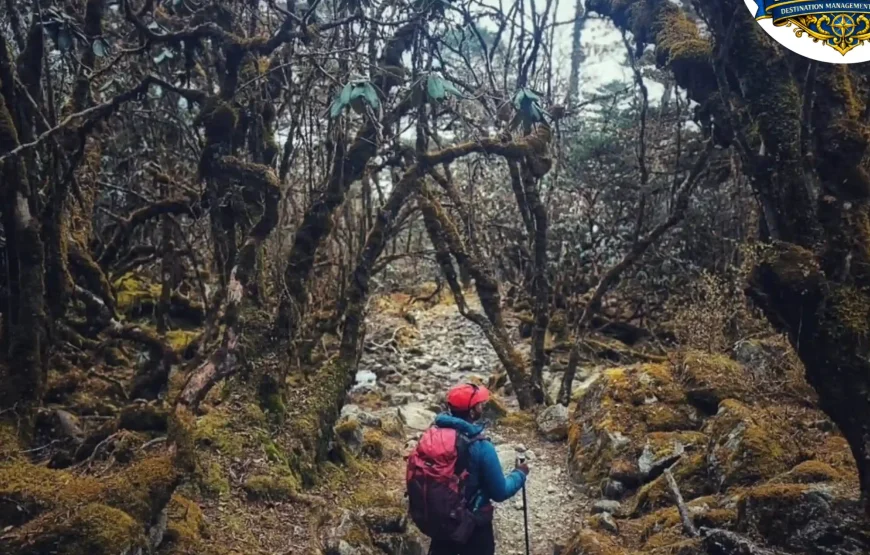
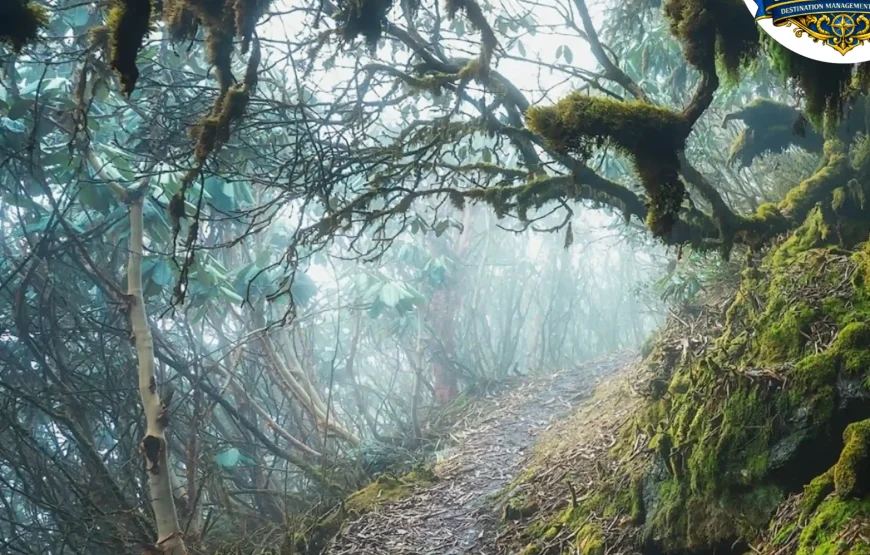
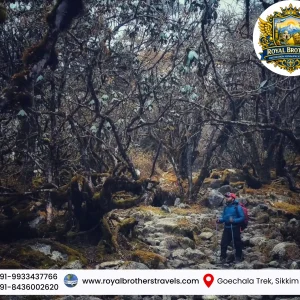 Today the climb becomes steeper as the trail gains altitude. You pass Bakhim, a scenic resting point overlooking the valley, before entering thick rhododendron and magnolia forests.
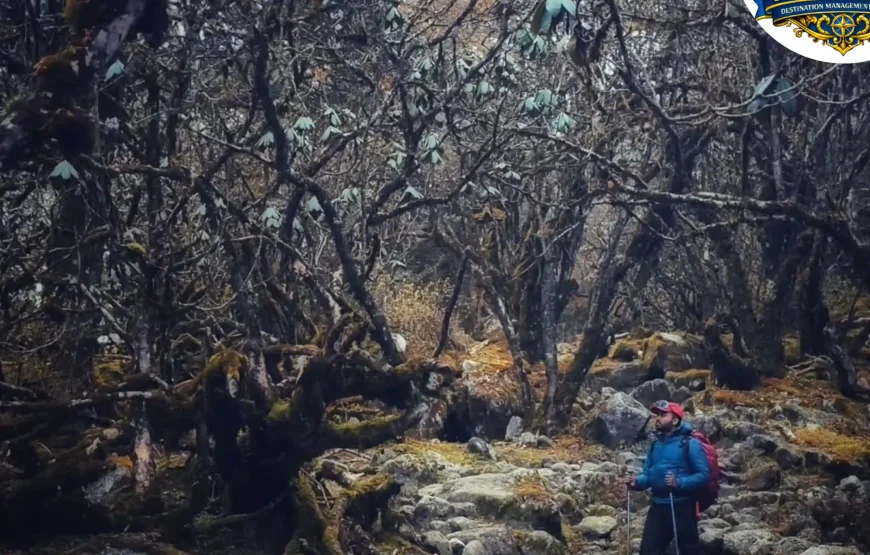
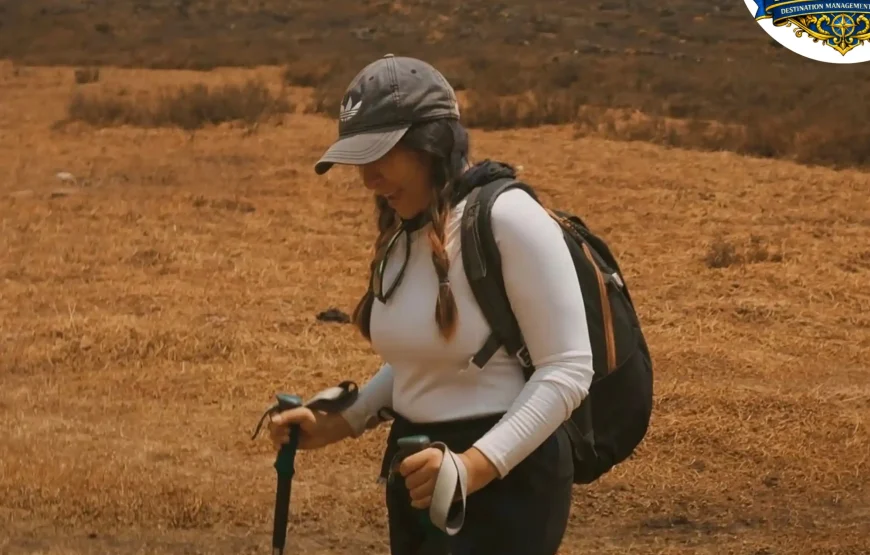
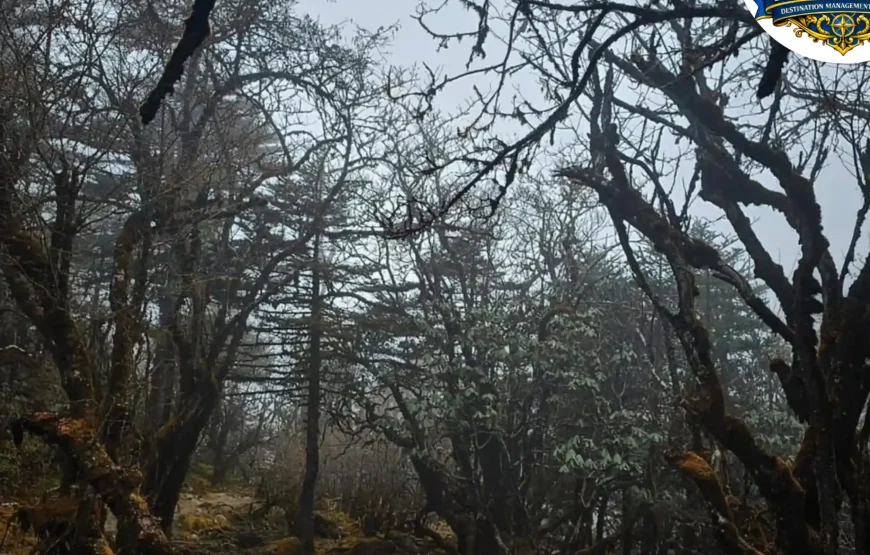
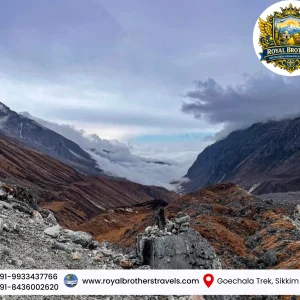 This is one of the most memorable trekking days. The path climbs steadily through rhododendron forests until the trees begin to thin and finally disappear.
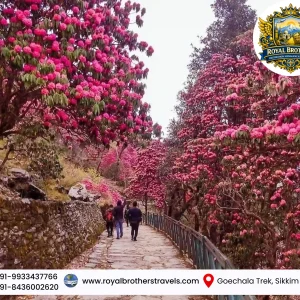 Early morning, a short hike takes you to Dzongri Top.
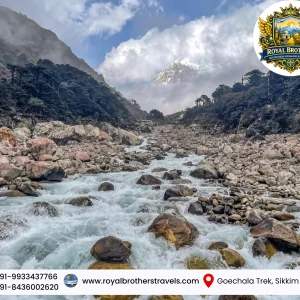 Leaving Dzongri behind, the trail descends into a wide glacial valley.
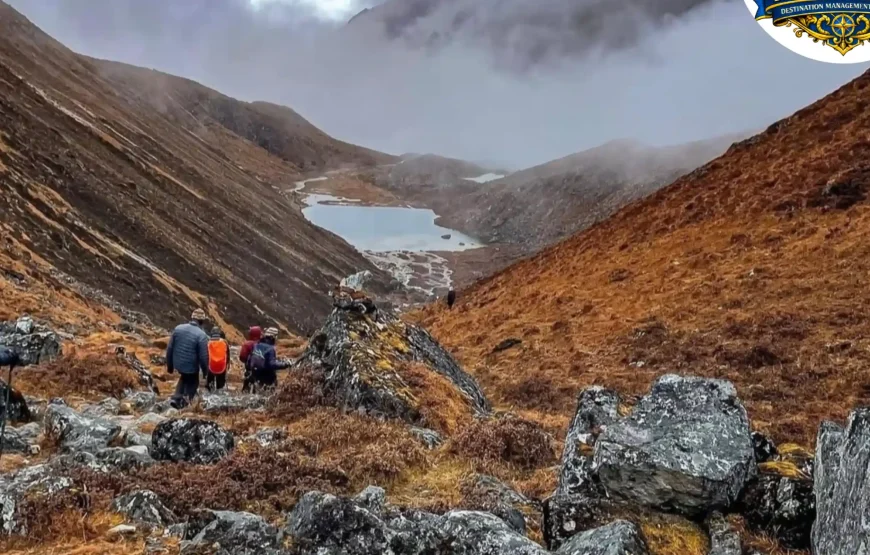
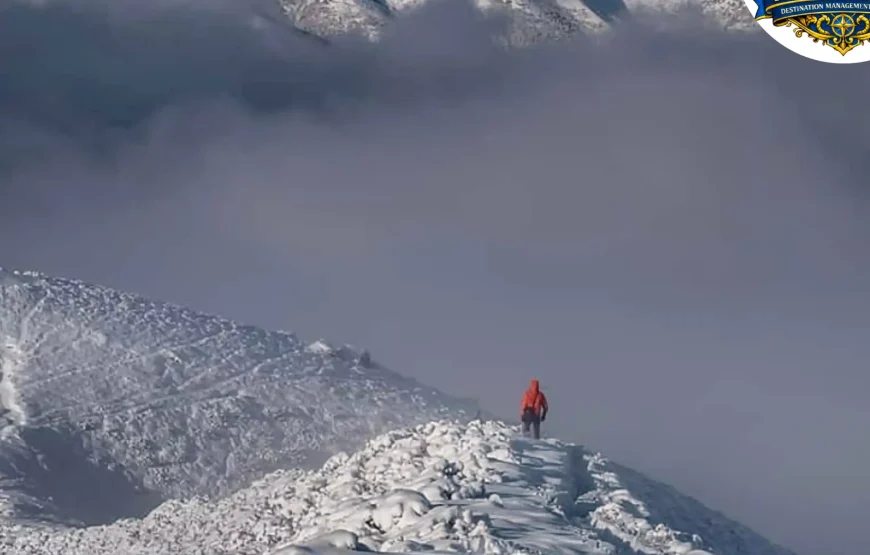
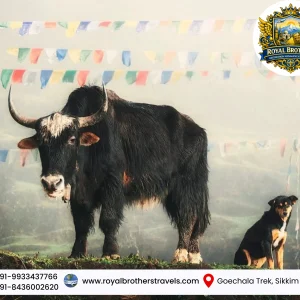 Today’s walk is shorter but more spectacular. The terrain becomes rocky and barren as vegetation fades away.
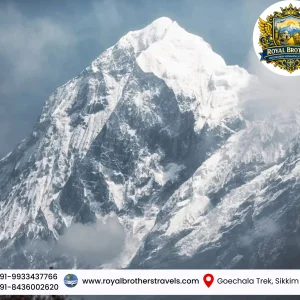 Before dawn, under a sky filled with stars, you begin the final ascent with headlamps lighting the trail.
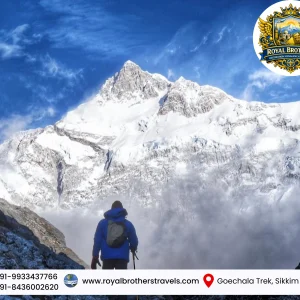 The return journey begins as you retrace your path through alpine meadows back into rhododendron forests.
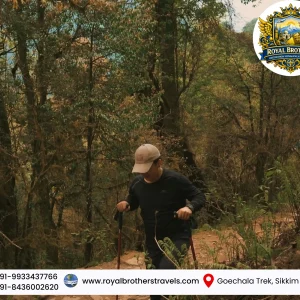 The final day brings a gradual descent through forests, bridges and river valleys back to Yuksom.
The Goechala Trek is considered a moderate to challenging high-altitude trek. Trekkers walk 5–7 hours daily on mountain terrain and the altitude reaches approximately 15,100 ft. Basic fitness and stamina are essential.
Previous trekking experience is strongly recommended. However, physically fit travelers who prepare in advance (walking, jogging, stair climbing) can also complete the trek successfully.
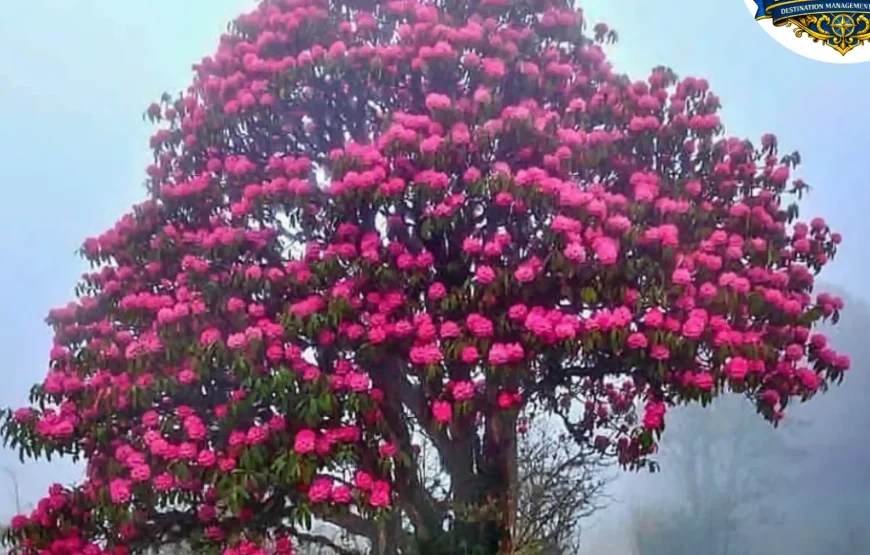
April – May: Rhododendron bloom, snow patches and pleasant temperatures
October – November: Clear skies and the best mountain views
The trek remains closed during monsoon and heavy winter snowfall.
Yes. The trek lies inside Kanchenjunga National Park (a protected area near an international border). Special permits are mandatory. We arrange all documentation for guests.
Fresh vegetarian meals are prepared by the trekking kitchen team including rice, dal, vegetables, soup, noodles, tea and snacks. Hot meals are served daily at campsites.
Mobile network is available only at Yuksom (starting point). During the trek there is no signal or electricity. This is a complete wilderness experience.
At least 3–4 weeks before arrival you should practice:
Brisk walking (4–5 km daily)
Stair climbing
Light jogging or cycling
This helps your body adapt comfortably to altitude.
Essential items include:
Trekking shoes with good grip
Warm jacket & thermal layers
Gloves, woolen cap & socks
Backpack & water bottle
Personal medicines & sunscreen
Complete beginners are not advised unless they have very good fitness. For first-time trekkers, the Dzongri Trek is usually recommended before attempting Goechala.
Generally suitable for ages 16–55 years with good physical health. Older participants may join if medically fit and experienced in hiking.
Because it offers one of the closest ground-level views of Mt. Kanchenjunga (3rd highest mountain in the world) without technical mountaineering. Very few treks in India provide such proximity to a Himalayan giant.


Leave a review